The Science of Lower Body Curves
Understanding the gluteus maximus, medius, and minimus, hip thrust mechanics, and progressive overload for feminine hips.
The three glute muscles explained
To build shapely, lifted curves, you need to understand how the three distinct gluteal muscles work together:
- Gluteus Maximus: The largest muscle in your entire body. It creates backward projection and volume (the ‘bubble’ shape from the side profile). Its primary movement is hip extension.
- Gluteus Medius: Located on the upper-outer side of the pelvis. It creates the upper glute ‘shelf’ and contributes to hip width from the front and back. Its primary movement is hip abduction (moving the leg outward).
- Gluteus Minimus: Sits directly beneath the medius, providing pelvic stability and rotational control.
The holy trinity of lower-body exercises
While social media is full of complicated dance moves with tiny rubber bands, elite lower-body hypertrophy relies on three foundational movement patterns:
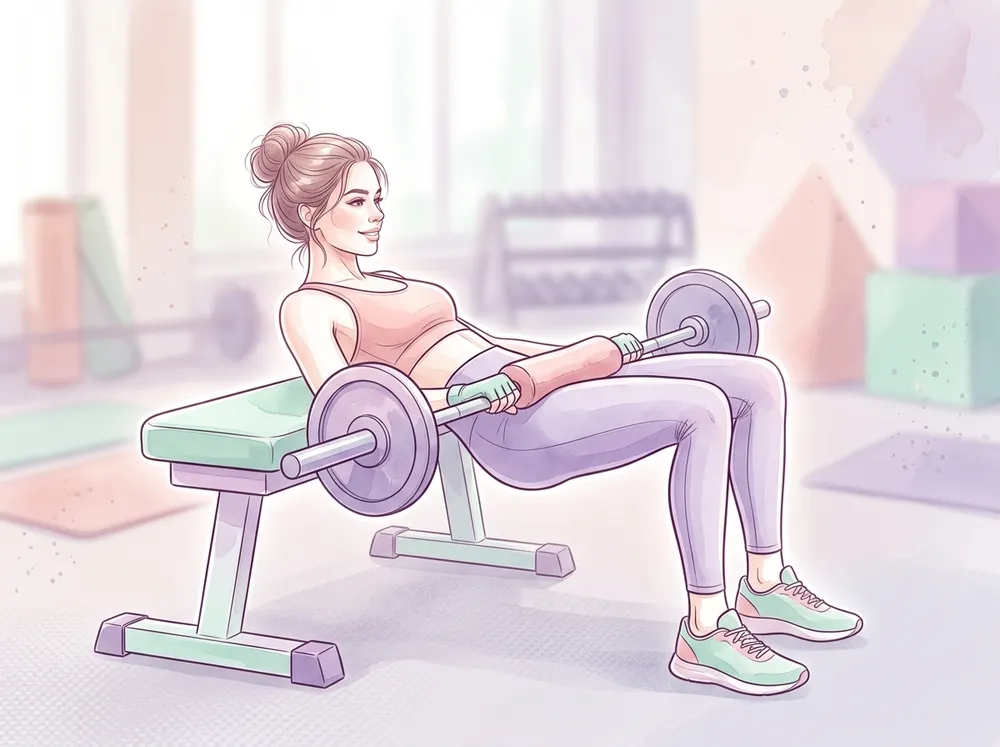
1. The Barbell or Dumbbell Hip Thrust (Maximal Shortened Position)
The undisputed queen of glute exercises. Unlike a squat (where peak tension occurs when muscles are stretched), the hip thrust places peak mechanical tension at full extension where the glutes are fully contracted.
- Form essentials: Bench placed right below your shoulder blades. Feet shoulder-width apart, shins vertical at the top of the movement.
- Crucial tip: Keep your chin tucked toward your chest and eyes looking forward, not up at the ceiling. Squeeze your glutes into a posterior pelvic tilt at the top for a two-second hold.
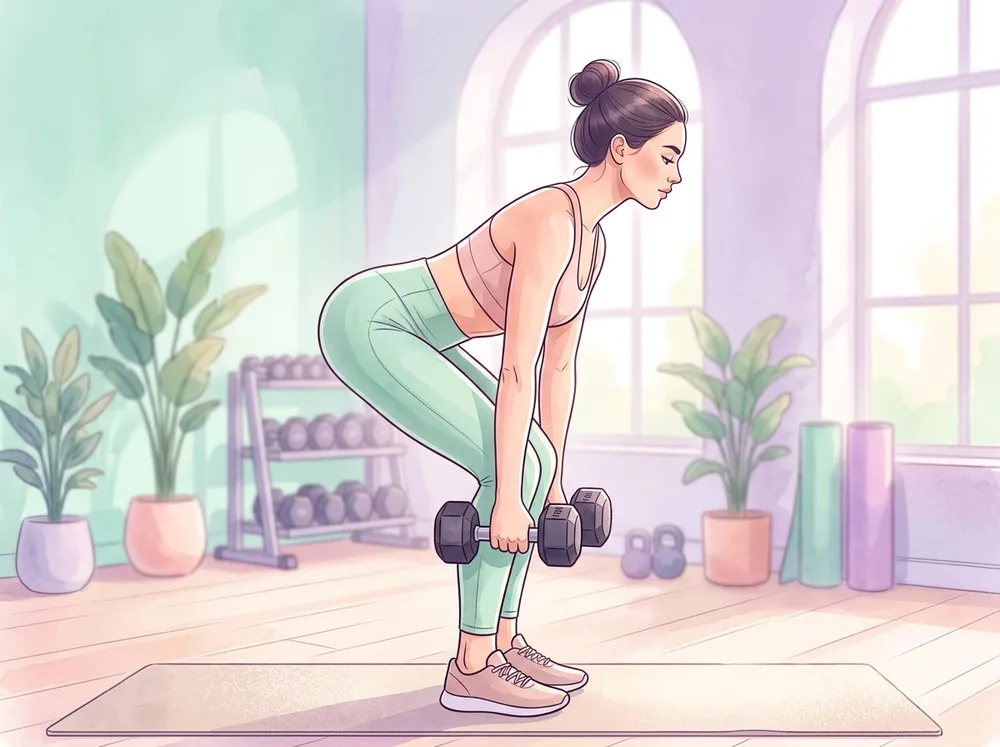
2. Romanian Deadlifts / RDLs (Maximal Lengthened Position)
Target the lower glute crease and hamstring tie-in.
- Form essentials: Push your hips backward as if trying to touch the wall behind you with your tailbone. Keep the barbell or dumbbells scraping against your shins. Stop when your hips can no longer push back; do not round your lower spine.
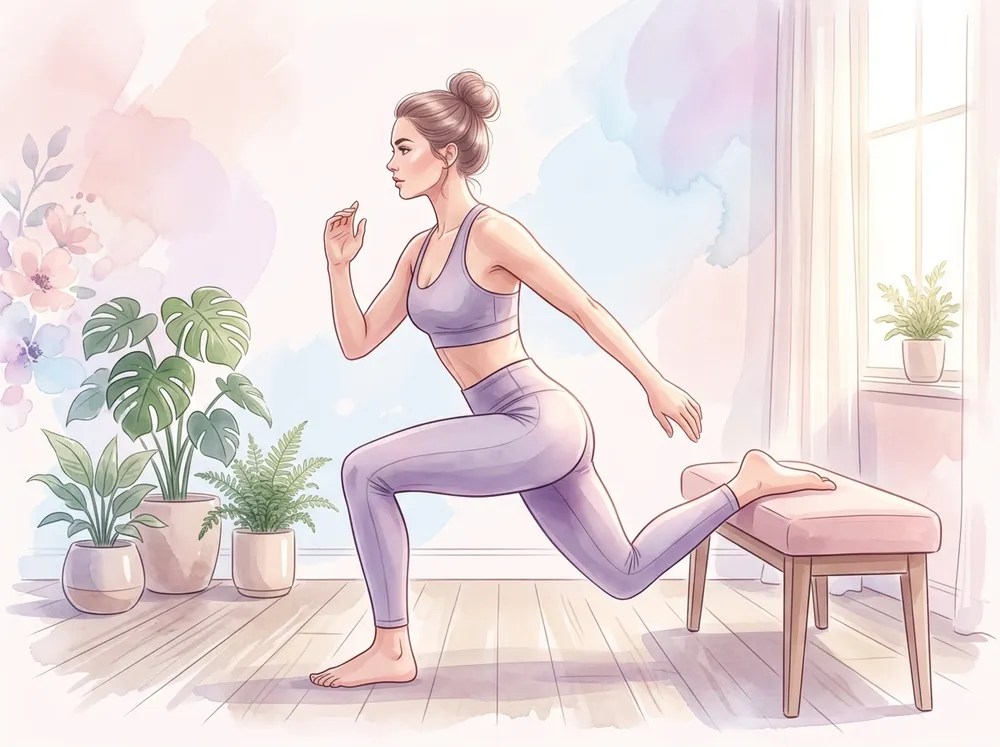
3. Unilateral Lunges & Bulgarian Split Squats
Single-leg work corrects strength imbalances between your left and right side and engages the gluteus medius for stability.
- Form essentials: Hinge your torso slightly forward (at a 45-degree angle) over your front thigh to shift mechanical load directly into the glute rather than the quadriceps.
Train your glutes 2 to 3 times per week with at least 48 hours of recovery in between sessions for optimal growth.